
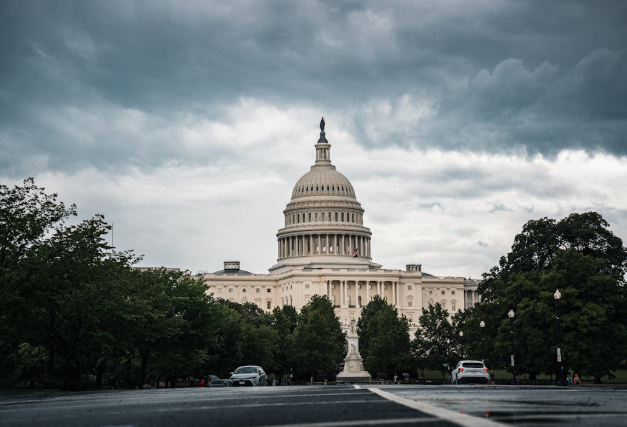
In the modern political landscape of the United States, the deep ideological divide between the major political parties has become a defining feature of governance in Washington. While political disagreements are nothing new, the extent of polarization in recent decades has reached unprecedented levels. This ideological chasm often transforms the legislative process into a battleground, where drawn-out negotiations and entrenched positions lead to stalemates. The result is an environment where compromise is rare, bipartisan cooperation is difficult, and progress on critical issues can be frustratingly slow—or even nonexistent.
A Historical Perspective on Partisan Polarization
Partisan division is not a new phenomenon. Throughout U.S. history, political parties have clashed over economic policies, social issues, and the scope of federal authority. However, political scientists note that the ideological distance between Democrats and Republicans has widened significantly since the late 20th century. In earlier decades, there was more ideological overlap between the parties, with moderate Democrats and moderate Republicans often working together on legislation. Today, such overlap has largely vanished.
This shift can be traced to several factors: the realignment of the South toward the Republican Party after the Civil Rights Movement, the rise of ideologically driven primary elections, and the influence of partisan media that reinforces existing beliefs among voters. Over time, these forces have pushed elected officials further toward their party’s base, reducing the incentive to reach across the aisle.
Why the Divide Runs So Deep
The ideological divide between parties is not just about policy preferences—it is rooted in fundamentally different worldviews. Democrats often emphasize the role of government in addressing inequality, regulating industries, and providing social safety nets. Republicans, on the other hand, generally prioritize limited government, lower taxes, and free-market solutions. While there are exceptions within each party, these core philosophies shape their positions on nearly every major policy debate, from healthcare to climate change.
Cultural issues have also intensified polarization. Disagreements over abortion rights, gun control, LGBTQ+ rights, and immigration often become emotionally charged, making compromise politically risky. In many cases, party leaders and elected officials fear backlash from their base if they appear to concede ground to the other side, further entrenching division.
The Mechanics of Legislative Gridlock
When ideological differences are stark, the legislative process in Congress becomes more cumbersome. The U.S. system of government—designed with checks and balances—already requires cooperation between the executive and legislative branches, as well as between the House and Senate. In a highly polarized environment, these structural hurdles become even more difficult to overcome.
Key points where the divide creates roadblocks include:
- Committee Hearings and Markups – Bills often stall in committees where members from opposing parties cannot agree on amendments or priorities.
- Floor Votes – Even when legislation reaches the floor, party leadership frequently pressures members to vote along strict party lines, leaving little room for independent judgment.
- The Filibuster – In the Senate, the filibuster allows a minority of 41 senators to block most legislation, forcing a 60-vote threshold for passage. In a polarized chamber, reaching that number can be nearly impossible.
- Conference Committees – When the House and Senate pass different versions of a bill, reconciling them can become a standoff if ideological differences are too wide.
These procedural dynamics mean that even issues with broad public support can languish in Congress for years without meaningful action.
High-Profile Examples of Stalemates
Several recent policy battles highlight the impact of deep partisan division:
- Budget Negotiations and Government Shutdowns – Disagreements over federal spending and policy riders have led to multiple government shutdowns in the past decade, with neither side willing to fully compromise on priorities.
- Immigration Reform – Despite decades of discussion and widespread acknowledgment of the need for reform, comprehensive immigration legislation has repeatedly failed due to fundamental disagreements over border security, pathways to citizenship, and enforcement.
- Gun Control Legislation – After numerous mass shootings, proposals for universal background checks and other measures have stalled in Congress, reflecting deep partisan divisions on Second Amendment rights.
- Climate Change Policy – While Democrats have pushed for aggressive climate action, many Republicans remain skeptical of the scope, cost, and necessity of such measures, leading to limited progress on comprehensive environmental policy.
These examples demonstrate how ideological polarization not only prevents solutions to long-standing problems but also erodes public trust in the ability of elected officials to govern effectively.
The Human and Economic Costs of Gridlock
Legislative stalemates have tangible consequences for everyday Americans. Delayed infrastructure investments mean deteriorating roads, bridges, and public transit systems. Stalled healthcare reforms can leave millions without adequate coverage. Failure to address climate change risks greater environmental and economic damage in the future.
Economically, gridlock can create uncertainty for businesses and markets. For example, prolonged debates over raising the debt ceiling can spook investors and threaten the country’s credit rating. In a global economy, political instability in Washington can ripple outward, affecting trade relationships and economic growth.
On a societal level, the perception that Congress is perpetually dysfunctional can deepen public cynicism and discourage civic engagement. When voters feel that their voices are not leading to meaningful action, it undermines faith in democratic institutions.
Why Compromise Has Become Rare
Compromise in politics requires both sides to accept less than their ideal outcome in order to achieve progress. However, in a polarized era, the political costs of compromise can outweigh the potential benefits—at least from the perspective of party leaders and many lawmakers. Factors that make compromise less likely include:
- Partisan Media Influence – Constant news cycles and opinion-driven programming can punish politicians who break from party orthodoxy.
- Primary Election Pressure – Lawmakers fear being challenged by more ideologically extreme candidates in their own party during primaries, making them reluctant to reach across the aisle.
- Gerrymandered Districts – In the House, many districts are drawn to heavily favor one party, meaning the greatest electoral threat comes from within a lawmaker’s own party, not from the opposition.
- Nationalized Politics – Local and state issues increasingly get swept into the national partisan narrative, reducing opportunities for cross-party alliances.
These dynamics create an environment where standing firm in opposition often seems politically safer than negotiating a compromise.
Paths Toward Greater Cooperation
While the outlook may appear bleak, there are avenues for improving bipartisan cooperation. Potential strategies include:
- Electoral Reforms – Measures such as ranked-choice voting or open primaries could reduce the influence of party extremes and encourage more moderate candidates.
- Independent Redistricting Commissions – Ending gerrymandering could create more competitive districts, giving lawmakers incentives to appeal to a broader range of voters.
- Restoring Regular Order in Congress – Strengthening the role of committees and fostering more open debate could make it easier to identify common ground.
- Civic Engagement and Public Pressure – Voters can demand greater accountability from their representatives, rewarding those who prioritize results over partisan loyalty.
Ultimately, the health of American democracy depends on the ability of elected officials to work together despite ideological differences. While deep divides are unlikely to disappear overnight, structural changes and sustained public pressure could create conditions more conducive to compromise.
Garage Door Service – Legal Considerations
Running a garage door service business involves not just technical skills, but also compliance with several legal requirements to protect both the business and customers. Here are the key legal aspects:
1. Licensing & Business Registration
- Register the business with the appropriate state or local authority.
- Some states/cities may require a contractor’s license, especially if electrical or structural work is involved.
2. Insurance Requirements
- General Liability Insurance – Protects against property damage or injury claims.
- Workers’ Compensation Insurance – Mandatory if you have employees, covering workplace injuries.
- Commercial Auto Insurance – Covers service vehicles used for business operations.
3. Permits & Building Codes
- Certain installations may require permits, particularly when altering electrical wiring or structural components.
- Compliance with local building codes ensures safety and avoids liability issues.
4. Contracts & Estimates
- Always provide written contracts detailing scope of work, costs, warranties, and timelines.
- Transparent estimates help prevent disputes and potential legal claims.
5. Warranty & Consumer Protection Laws
- Federal and state laws regulate how warranties are provided and honored.
- Misleading advertising or failure to disclose costs can violate consumer protection laws.
6. Employment Laws
- If hiring staff, comply with wage laws, tax withholding, and fair labor standards.
- Proper classification of independent contractors vs. employees is critical to avoid penalties.
7. OSHA & Safety Compliance
- Garage door work involves heavy machinery and potential hazards. OSHA standards must be followed to ensure workplace safety.
Garage door service businesses must ensure licensing, insurance, safety compliance, and transparent customer contracts to stay legally protected.
The deep ideological divide in Washington has transformed the legislative process into a prolonged and often unproductive struggle. While political disagreement is a normal and healthy aspect of democracy, the current level of partisan polarization has made cooperation exceedingly rare. The result is a cycle of gridlock that prevents action on pressing issues, erodes public trust, and hinders the nation’s progress.
Breaking free from this cycle will require both systemic reforms and a cultural shift toward valuing pragmatic solutions over partisan victories. Until then, legislative stalemates will remain a hallmark of American politics, with the costs borne by the very people government is meant to serve.
The written content on this page was generated by perplexity.ai