A Government Built on Checks and Balances

Images: Follow Mikhail Nilov

Navigating the American political system has never been a simple task. Beneath the debates, elections, and headlines lies a government intentionally designed to move slowly and deliberately. This structure—rooted in the U.S. Constitution—is built on the principle of checks and balances, a system the Founding Fathers created to ensure that no single leader, institution, or branch of government could accumulate too much power. While this framework protects democratic governance, it also introduces a level of complexity that can make policymaking an arduous and often frustrating process.

At the heart of this system are the three branches of the federal government: the legislative, executive, and judicial. Each was established with a distinct role, tailored to balance the others and maintain a separation of powers. This division forms the backbone of the U.S. political process, shaping how laws are made, interpreted, and enforced.

The Legislative Branch: Crafting the Nation’s Laws

Congress, composed of the House of Representatives and the Senate, sits at the center of the lawmaking process. As the legislative branch, its primary responsibility is to create, debate, and pass legislation. But the process is far more nuanced than simply writing a bill and voting on it.

The House and Senate serve different constituencies and operate under different rules. The House, with its 435 members, represents smaller districts and is designed to reflect public sentiment more quickly due to its two-year election cycles. The Senate, with only 100 members, serves longer six-year terms and is intended to act as a more deliberative body. Together, these two chambers ensure that legislation is evaluated from multiple perspectives.

Bills must pass through committees, undergo revisions, survive debates, and ultimately earn majority approval in both the House and the Senate. And they must pass in identical form—a requirement that often complicates even seemingly straightforward legislation. When the two chambers disagree, a conference committee is formed to negotiate a compromise. This internal structure ensures scrutiny and debate, but also contributes to legislative gridlock.

The Executive Branch: Enforcing and Implementing the Law

Once a bill successfully passes Congress, it moves to the executive branch, led by the President. While the President does not have the power to make laws, they play a critical role in enacting them. The President can sign a bill into law or exercise the power of veto, sending the bill back to Congress for reconsideration. Overriding a presidential veto requires a two-thirds majority in both chambers—a high bar that reinforces the balance of power.

Beyond this approval process, the executive branch oversees federal agencies responsible for implementing and enforcing laws. Departments such as the Department of Education, the Environmental Protection Agency, and the Department of Justice are tasked with interpreting legislation and creating rules and regulations that put federal laws into action. These agencies wield substantial influence, as the details of enforcement often shape how laws affect everyday citizens.

The President also has authority over foreign policy, military operations, and national security, although these powers are checked by Congress through oversight, funding authority, and confirmation processes. Even executive orders—directives issued by the President—can be challenged in court or reversed by future administrations.

The Judicial Branch: Interpreting the Law

The third branch of government, the judiciary, provides the constitutional safeguard necessary to ensure that the actions of Congress and the President conform to the Constitution. Federal courts, headed by the Supreme Court, interpret laws and determine whether they violate constitutional principles.

Judicial review—the power to declare laws or executive actions unconstitutional—serves as a powerful check on the other branches. This authority reinforces the idea that the Constitution is the ultimate guide for governance. While the judiciary does not enforce laws or allocate funding, its interpretations can profoundly impact public policy and political debates.

Layers of Oversight and Procedural Safeguards

Beyond the three branches, the government contains multiple layers of checks within each branch. Oversight committees, ethics rules, budget constraints, and confirmation hearings are all mechanisms designed to promote transparency and accountability.

Congress, for example, operates through a vast committee system. Committees not only review bills but also conduct investigations, oversee federal agencies, and shape national priorities. These layers can illuminate problems and prevent abuses of power—but they also slow the legislative process.

The Senate’s confirmation power acts as another safeguard. Presidential appointments to the federal courts, cabinet positions, and key agency roles must undergo hearings and secure Senate approval. This process ensures that no one enters critical positions of power without scrutiny.

Even within the judicial branch, the appellate system provides multiple opportunities for legal review before a case reaches the Supreme Court. This ensures careful interpretation of laws but can delay resolutions for years.

A System Designed for Stability—Not Speed

The Founding Fathers designed this intricate system with a purpose: to create a stable government where decisions are made thoughtfully rather than quickly. Having endured monarchy, unchecked executive power, and political upheaval, the framers sought to safeguard the new nation against tyranny. By dividing authority among branches and building in procedural hurdles, they hoped to encourage cooperation, negotiation, and compromise.

However, in today’s political climate—marked by partisan divides, rapid news cycles, and heightened public expectations—these intentional barriers can feel like obstacles. The very system that prevents rash policymaking can also make it difficult to address urgent issues swiftly. This can lead to frustration among citizens who expect quick action from their leaders.

The challenge lies in balancing the need for deliberate governance with the realities of modern political pressures. While the system may appear slow or inefficient, it remains one of the most enduring frameworks for democratic governance in the world.

The Complexity That Shapes American Politics

Ultimately, the complexity of the federal political process is both a strength and a weakness. It ensures that no branch operates without accountability, but it also requires patience, negotiation, and compromise—qualities often in short supply in contemporary politics.

Understanding the structure of checks and balances provides valuable insight into why Washington functions the way it does. The slow pace, the debates, the hurdles, and even the gridlock are not signs of a broken system but reflections of a government designed to safeguard democracy. Though difficult to navigate, this intricate system continues to serve as the foundation of American political life.

The written content on this page was generated by ChatGPT
Special Interests and Democracy: Do They Help or Hurt the Public?

Democracy is built on the principle of representation. Ideally, every citizen’s voice should have equal weight in influencing public policy and shaping the direction of a nation. However, in practice, political systems often involve competing influences, one of the most significant being special interest groups. These organizations—whether corporations, unions, advocacy groups, or professional associations—play a major role in shaping legislation and public opinion.

The question is: do special interests strengthen democracy by representing diverse perspectives, or do they undermine it by prioritizing money and power over the public good? Let’s explore both sides of the debate.


What Are Special Interest Groups?

Special interest groups are organized collections of individuals who advocate for policies that benefit their members or causes. They can range from small grassroots organizations pushing for local environmental protections to billion-dollar corporate lobbying arms influencing national legislation.

Examples include:

  • Business associations like the U.S. Chamber of Commerce.
  • Labor unions such as the AFL-CIO.
  • Issue-based groups like the National Rifle Association (NRA) or the Sierra Club.
  • Professional organizations such as the American Medical Association (AMA).

While their missions vary, the common denominator is that they seek to influence policymakers to act in ways that favor their agenda.


How Special Interests Help Democracy

Despite the often negative connotations, special interests can provide real value to the democratic process.

1. Representation of Diverse Voices

Democracies thrive when multiple perspectives are heard. Special interest groups give a platform to communities or causes that might otherwise be overlooked. For example, environmental groups elevate concerns about climate change, while civil rights organizations amplify issues affecting marginalized populations.

2. Policy Expertise

Elected officials cannot be experts in every subject. Special interest groups often bring technical expertise and research to the table, helping lawmakers draft informed legislation. For instance, medical associations may provide data-driven recommendations on healthcare policy, ensuring that decisions are rooted in professional knowledge.

3. Mobilization and Civic Engagement

Special interest groups encourage civic participation. They organize rallies, awareness campaigns, and petitions that bring citizens into the political process. By doing so, they foster political engagement and create a more active electorate.

4. Accountability for Lawmakers

When interest groups hold strong positions, they can pressure politicians to keep campaign promises or remain accountable to their constituents. For example, watchdog organizations frequently call out unethical behavior or policies that harm public trust.

In these ways, special interest groups can strengthen the democratic fabric by ensuring a wide range of voices and concerns are represented.


How Special Interests Harm Democracy

On the other side of the debate, critics argue that special interests often undermine democratic fairness by distorting the balance of power.

1. Money Equals Influence

One of the most pressing concerns is the role of money in politics. Wealthy corporations and industries often spend millions—or even billions—on lobbying efforts, campaign contributions, and advertising. This creates an uneven playing field where affluent groups can dominate political conversations while ordinary citizens struggle to be heard.

For example, the pharmaceutical and healthcare industries spend vast sums lobbying against drug price reforms. This financial clout often outweighs the voices of patients and consumers advocating for affordability.

2. Policy Distortion

Special interests can push for legislation that benefits a narrow group rather than the public at large. For instance, tax loopholes or subsidies might favor a particular industry while burdening average taxpayers. When policy is crafted in this way, it often reflects corporate priorities instead of broad public needs.

3. Erosion of Public Trust

When people perceive that politicians are “in the pocket” of special interests, trust in democratic institutions erodes. This perception fuels cynicism and disengagement, leading citizens to believe that the system is rigged in favor of the wealthy and powerful.

4. Gridlock and Polarization

Special interests often lobby aggressively for or against policies, making compromise difficult. Their influence can contribute to legislative gridlock, where bills stall due to pressure from opposing groups. In turn, polarization increases, and effective governance suffers.


Real-World Examples of Special Interest Influence

To see this dynamic in action, consider a few notable cases:

  • The NRA and Gun Policy: The National Rifle Association has been one of the most influential special interest groups in U.S. politics, shaping gun legislation for decades. Supporters argue they protect Second Amendment rights; critics contend their lobbying prevents sensible gun reforms supported by the majority of Americans.
  • Pharmaceutical Industry Lobbying: The pharmaceutical lobby spends heavily to influence healthcare legislation. While they argue this ensures innovation and investment in new drugs, critics highlight how it blocks reforms that would lower prescription drug costs for patients.
  • Environmental Advocacy Groups: Organizations like the Sierra Club and Greenpeace advocate for stronger climate policies. While some accuse them of pushing regulations that hurt businesses, others view them as essential voices for sustainability and long-term public health.

These examples illustrate the dual nature of special interest influence: both protective and problematic.


Can Democracy Find a Balance?

The challenge is not eliminating special interest groups—they are a natural part of democratic systems—but managing their influence in a way that ensures fairness.

Potential Solutions Include:

  1. Transparency Requirements – Mandating disclosure of lobbying activities, contributions, and expenditures helps the public understand who is influencing policy decisions.
  2. Campaign Finance Reform – Limiting how much money individuals and organizations can contribute reduces the outsized influence of wealthy donors.
  3. Public Financing of Campaigns – Providing public funding for elections can level the playing field and make candidates less dependent on special interest money.
  4. Stronger Ethical Standards – Enforcing stricter conflict-of-interest rules prevents politicians from prioritizing donors over constituents.

Special interest groups are both a strength and a weakness of democracy. On one hand, they represent diverse voices, provide valuable expertise, and mobilize citizens to participate in politics. On the other hand, they often tilt the system toward those with the deepest pockets, distort policymaking, and erode public trust.

The truth is that special interests will always exist in democratic systems—they are, in many ways, an expression of free speech and association. The key is ensuring that their role remains balanced, transparent, and accountable to the public good.

Only then can democracy truly serve its intended purpose: government of the people, by the people, and for the people.

The written content on this page was generated by ChatGPT

Impact on Public Trust: How Partisan Polarization Erodes Confidence in Government

In a democracy, trust is the foundation that sustains the relationship between citizens and their elected leaders. Without it, laws lose legitimacy, civic engagement declines, and institutions struggle to function effectively. In the United States, partisan polarization has increasingly strained this trust, leaving many Americans skeptical about whether their government can represent the interests of all people rather than just partisan agendas. The impact on public trust is profound and far-reaching, influencing not only political participation but also the stability of democratic governance itself.

Partisan Polarization and the Decline of Confidence

Partisan polarization refers to the growing ideological distance between political parties and their supporters. In recent decades, Democrats and Republicans have become less willing to compromise, leading to an “us versus them” mentality that extends beyond policy debates and into the very identity of voters. This division has fueled gridlock in Congress, where bipartisan cooperation has become increasingly rare.

When citizens observe prolonged stalemates on critical issues—such as healthcare, immigration, and infrastructure—they perceive government as dysfunctional. Instead of seeing progress, they see lawmakers locked in endless battles that yield little tangible benefit. This fuels a widespread sense that government is incapable of addressing pressing challenges, eroding the public’s faith in institutions that are supposed to work on their behalf.

The Message of Gridlock

One of the most damaging aspects of polarization is the signal it sends to the public. Gridlock communicates that elected officials are more focused on defeating the opposing party than on finding solutions to national problems. For example, budget debates that end in government shutdowns demonstrate to citizens that lawmakers would rather let essential services stall than reach a compromise.

This message resonates deeply with voters. It creates the impression that politics is less about governance and more about partisan gamesmanship. As a result, many Americans begin to doubt that their voices matter, reinforcing the belief that politicians prioritize party loyalty and power struggles over the needs of the people.

Declining Voter Participation

One of the most direct consequences of eroding trust is declining voter turnout. When individuals lose faith in government institutions, they become less motivated to participate in elections. The logic is simple: if politicians cannot work together to solve problems, why bother voting?

This disengagement is particularly concerning in a representative democracy, where citizen participation is crucial to ensuring accountability. Lower turnout not only weakens the legitimacy of election results but also creates an environment where more extreme voices dominate the political conversation. As moderates withdraw from the process, polarization deepens further, perpetuating the cycle of division and mistrust.

Fueling Political Cynicism

Beyond voter participation, the erosion of trust also fosters political cynicism. Citizens increasingly view politicians as corrupt, self-serving, or indifferent to public concerns. Polls have consistently shown that Americans’ confidence in Congress hovers at historic lows, often dipping below 20%.

This cynicism extends beyond elected officials to the very institutions of government. Courts, regulatory agencies, and even the electoral system itself come under suspicion when polarization is at its peak. Accusations of bias, unfairness, or illegitimacy become common, making it harder for citizens to accept policy outcomes or election results that do not align with their preferences.

The Polarization Feedback Loop

The erosion of public trust does not occur in isolation—it feeds back into the cycle of polarization itself. As citizens lose trust, they retreat into partisan echo chambers where their frustrations are validated rather than challenged. Social media and partisan news outlets amplify this divide, portraying the opposing party as not just wrong, but dangerous.

This feedback loop makes compromise even less likely. Lawmakers, aware of their polarized constituencies, hesitate to work across the aisle for fear of appearing disloyal to their base. The result is even greater gridlock, further diminishing public confidence in government. The cycle continues, deepening the very divisions that caused the trust crisis in the first place.

Long-Term Consequences for Democracy

The impact of eroding trust is not just short-term frustration; it poses long-term risks to the stability of democratic governance. Trust is essential for compliance with laws, acceptance of election outcomes, and support for democratic norms. When trust collapses, citizens may become more open to anti-democratic alternatives, believing that strong-handed leadership or sweeping institutional changes are necessary to overcome dysfunction.

Moreover, distrust in government undermines social cohesion. Citizens who no longer believe in the fairness of the system are less likely to cooperate with one another or work collectively toward solutions. This fraying of social fabric can make it even harder to address major challenges like climate change, economic inequality, and public health crises, which require broad cooperation and shared sacrifice.

Rebuilding Trust

While the challenges are daunting, it is not impossible to restore public trust in government. Efforts to rebuild confidence must begin with greater transparency, accountability, and responsiveness. Lawmakers who demonstrate a willingness to compromise and place the public good above party interests can begin to shift perceptions.

Civic education also plays an essential role in fostering informed engagement. By helping citizens understand how institutions function and encouraging participation beyond just voting—such as attending town halls, joining local organizations, or engaging in community projects—trust can gradually be rebuilt at the grassroots level.

Media outlets, too, carry responsibility. By providing balanced coverage and avoiding sensationalism, they can reduce polarization and promote constructive dialogue. Likewise, social media platforms can take steps to reduce the spread of misinformation and divisive rhetoric that inflames distrust.

The erosion of public trust is one of the most serious consequences of partisan polarization and gridlock. When citizens see government paralyzed by division, they lose confidence in the ability of leaders to govern effectively. This loss of trust discourages voter participation, fuels political cynicism, and creates a feedback loop that further entrenches polarization.

If democracy is to remain strong, trust must be restored. That means breaking the cycle of gridlock, prioritizing compromise, and demonstrating to citizens that government can still deliver results. While rebuilding confidence will not happen overnight, it is an essential step toward ensuring that democratic institutions continue to serve the people faithfully and effectively.

The written content on this page was generated by ChatGPT

The Federal Government’s Size and Layered Structure: Why Navigating the Political Process Is So Complex

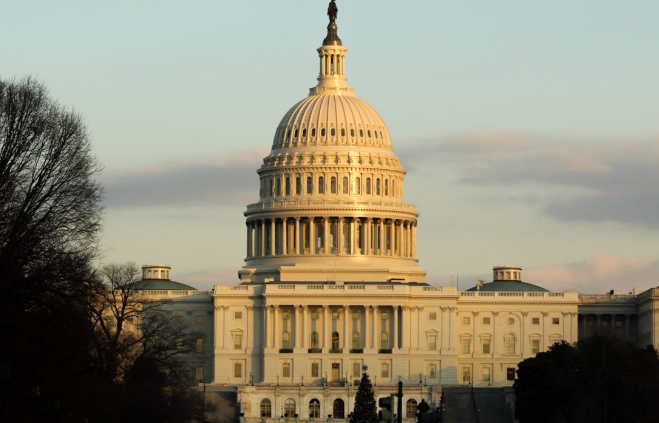
Pexels Images https://www.pexels.com/photo/capitol-in-washington-3526039/

The federal government of the United States is a vast, intricate system that operates on multiple levels, with numerous agencies, committees, and procedural steps involved in shaping and implementing policy. While this structure was designed to ensure checks and balances, promote thoughtful decision-making, and prevent the concentration of power, it also creates a political environment that can be daunting—especially for newcomers. The multiple layers of review, the overlapping responsibilities of agencies, and the formal processes for drafting and passing legislation can lead to confusion, delays, and, at times, political gridlock.

Understanding why the federal government functions this way, and how to navigate it effectively, requires an appreciation of its size, its layered nature, and the intended and unintended consequences of its design.


1. A Government Built on Checks and Balances

The complexity of the federal political process is rooted in the U.S. Constitution. The Founding Fathers intentionally designed a system that divided power between three branches—legislative, executive, and judicial—to prevent any one branch from dominating. Each branch has distinct responsibilities:

  • The Legislative Branch (Congress) makes the laws.
  • The Executive Branch (the President and federal agencies) implements and enforces the laws.
  • The Judicial Branch (federal courts) interprets the laws.

Within this separation of powers, additional layers of oversight and procedural safeguards were introduced. For example, Congress itself is bicameral, made up of the House of Representatives and the Senate, each with its own rules and committees. Legislation must pass through both chambers in identical form before it can be sent to the President. This built-in complexity was meant to slow down hasty policymaking and encourage compromise, but it inevitably makes the process more cumbersome.


2. Multiple Agencies, Overlapping Jurisdictions

Beyond Congress, the executive branch houses hundreds of federal agencies, commissions, and offices, each with specific mandates. Some, like the Department of Defense or the Department of Education, have broad national responsibilities. Others, such as the Federal Communications Commission (FCC) or the Environmental Protection Agency (EPA), regulate specific industries or issues.

While specialization allows for expertise, it also creates overlapping jurisdictions. For instance, environmental policy might involve the EPA, the Department of Energy, and the Department of the Interior, along with relevant congressional committees. Determining which agency has authority over a particular aspect of a policy can be challenging, and inter-agency coordination often slows progress.

This complexity is amplified when a policy cuts across multiple domains—such as climate change legislation, which touches on energy production, transportation, agriculture, and public health. Each relevant agency may have its own priorities, regulatory requirements, and political pressures, making consensus harder to achieve.


3. Committees: Gatekeepers of the Legislative Process

Within Congress, committees and subcommittees play a central role in shaping legislation. While they provide opportunities for specialized review and public hearings, they also act as gatekeepers. A bill typically begins in a committee, where it is studied, debated, and possibly amended before moving forward. If a committee does not act, the bill may never reach the floor for a vote.

The committee process allows members with expertise in specific areas—such as foreign affairs, taxation, or agriculture—to scrutinize proposals thoroughly. However, it can also be a chokepoint. Powerful committee chairs can delay or block legislation for political or strategic reasons. Furthermore, a bill may need to pass through multiple committees in both the House and Senate, each with its own timetable and priorities.


4. Procedural Rules and Timelines

The federal legislative process is not just about passing votes—it is governed by a complex set of procedural rules. In the Senate, for example, the filibuster allows a minority of senators to delay or block legislation unless 60 members vote to end debate. In the House, the Rules Committee determines how and when bills are considered, influencing the pace and scope of debate.

These procedures are designed to balance minority rights with majority rule, but they can also lead to stalemates. Even after a bill passes both chambers, differences in the language must be resolved in a conference committee, and the final version must be approved again before it goes to the President. Each step adds time and increases the possibility that a proposal will stall.


5. The Role of Public Opinion and Interest Groups

While formal rules and procedures are the backbone of the political process, external factors also shape outcomes. Public opinion, media coverage, and the activities of interest groups and lobbyists can influence legislators’ priorities. Policymakers often navigate competing pressures from their constituents, party leadership, advocacy organizations, and industry stakeholders.

For newcomers to federal policymaking—whether they are first-term legislators, newly appointed agency officials, or advocacy groups—the challenge is not only to master the procedural steps but also to understand the informal networks and political dynamics that determine how decisions are made.


6. The Reality of Delays

Because policies must pass through multiple levels of review, delays are common. Drafting legislation, securing co-sponsors, gaining committee approval, passing votes in both chambers, and navigating the reconciliation process can take months or even years. For regulatory actions by agencies, additional steps—such as public comment periods and legal reviews—further extend timelines.

In some cases, delays serve a constructive purpose, allowing time for public input, cost analysis, and compromise. In others, they reflect partisan conflict or bureaucratic inefficiency. The sheer number of decision points means that a proposal can stall at any stage, often for reasons unrelated to its merits.


7. Challenges for Newcomers

For individuals new to the federal political arena—whether elected officials, policy advocates, or concerned citizens—the learning curve can be steep. Understanding the interplay between agencies, committees, and procedural rules requires both study and practical experience. Missteps, such as sending a proposal to the wrong committee or failing to account for inter-agency jurisdiction, can waste valuable time.

Moreover, building relationships is essential. Informal conversations, coalition-building, and strategic alliances often determine whether an idea gains momentum. Newcomers must learn to navigate both the official processes and the unwritten norms of political life.


8. Strategies for Effective Navigation

While the complexity of the federal government cannot be eliminated, there are ways to navigate it more effectively:

  • Do Your Homework: Understand the relevant committees, agencies, and procedural rules for your issue.
  • Build Coalitions: Partner with stakeholders across political and institutional lines to broaden support.
  • Engage Early: Meet with key decision-makers before formal debates begin to shape the conversation.
  • Be Patient but Persistent: Recognize that delays are part of the process and plan accordingly.
  • Use Multiple Channels: Combine legislative advocacy with public engagement to keep your issue visible.

9. The Balance Between Efficiency and Safeguards

Critics of the federal government’s layered structure argue that it hampers timely decision-making, particularly in urgent situations. Supporters counter that these layers protect against rash or authoritarian actions. The challenge lies in striking a balance between efficiency and thorough review.

Efforts at reform—such as streamlining agency procedures, adopting technology to improve communication, or modifying legislative rules—must preserve transparency and accountability. While complexity may be frustrating, it reflects the democratic values of deliberation and shared power.


The size and layered structure of the federal government make the political process inherently complex. Navigating multiple agencies, committees, and procedural steps can be overwhelming, especially for those new to the system. While these layers can slow progress and lead to delays, they also serve to distribute authority, encourage diverse input, and safeguard against the misuse of power.

Understanding the structure, respecting its purpose, and developing strategies to work within it are essential for anyone seeking to influence federal policy. In the end, the system’s complexity is both its greatest challenge and its strongest defense—a reflection of the nation’s commitment to balancing efficiency with democracy.

The written content on this page was generated by perplexity.ai